 Tank
Valoria, Eldor, Naru, Korvan
No PvP. Dying here costs nothing of what you carry.
TankPVPThe Hidden City of Aetherra
You wake up on a beach with nothing. You learn to chop, fish, smelt and fight. And then you find out what makes TankPVP TankPVP: the best ore, the best fish and the best loot sit exactly where another player can take everything from you.
Free MMORPG, no download. Opens in the browser, on desktop or mobile.
Every map has a safe centre. Aetherra has three — and everything worth having lies far from them.
No PvP. Dying here costs nothing of what you carry.
PvP within a level range. You keep 3 items on death.
Open PvP. You keep 1 item.
Against any level. Die, and you lose it all.
There are no classes. What you wear and wield decides your role — and somebody had to mine, smelt, hunt and stitch every piece.
Melee beats ranged, ranged beats magic, magic beats melee. Plate protects and gets in the way of aiming; leather does the opposite.
Any monster can drop a talisman. At the altar, talismans seal a creature that fights, carries, picks up loot, heals or blesses at your side.
Herbs picked around the world and desert sand become vials, potions, dyes, oils that poison or burn on hit, and weapon modifiers — all at the Inventor's Bench.
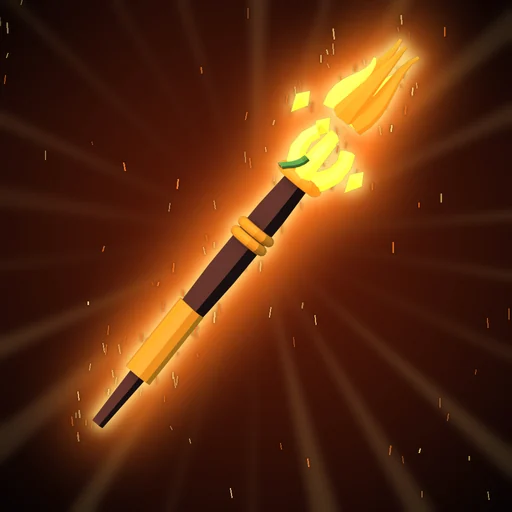
Five schools — the staff picks the element, and the essence imbued with it becomes the rune the spell uses. Auras are lit in a fight and spend the points you earned by burying bones.
Lasso the beast in the woods, look after it in the stable and trade the tokens for the mount — from the horse to the Crimson Drakeling. Mounted you move faster, fight and race the three courses with a weekly ranking. With wings, you glide.
No shop sells good armour. There is someone who knows how to make it — and the price is whatever that person will take.
Copper and tin become bronze. Iron, mithril, aetherite and Void come after — each one further away, and more dangerous to fetch.
Wool becomes thread at the Loom, thread holds the leather together and strings the jewellery. Three skills for one small piece: that is what gives people a reason to trade.
Brom's forge is in Valoria, the tannery in Sahr, the loom in Nhal, and the inventor's bench has a workshop of its own. The guide tells you where to start — learning a skill means travelling.
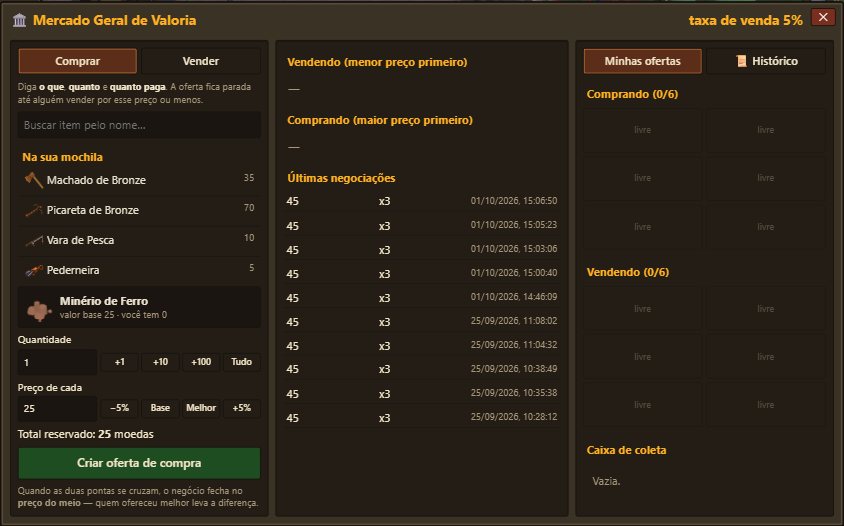
Buy and sell offers between players, always anonymous. The deal closes at the middle price. How it works →
What is stored stays stored, wherever you die. What is in your backpack is a bet.
One free spin a day and up to five paid ones, each dearer than the last. It usually pays little; now and then, a boss cape. It is one more drain that takes coins out of circulation.
Every day you log in opens a gift: coins, the starter staff and bow, food and, on the tenth, your first cape and a ring of your choice.
Anything mined, fished, forged or looted can become an offer. You name the price, go back to the hunt, and the deal closes by itself when someone crosses yours.
Sellers leave the items in escrow; buyers, the coins. Nobody gets cheated, and nobody has to be online at the same time.
Asked 4,000 and bid 4,500? It closes at 4,250. The buyer gets the change, and nobody is punished for getting there first.
You never see who is on the other side. No stalking, no messages, no price fixing.
Six things on sale and six buy orders at once. Whatever closes lands in the collection box, which pays straight into the bank.
And only when the sale happens. It is what takes coins out of circulation and keeps gold from losing its value.
The reference value of each item rises when it vanishes from the banks and falls when there is plenty. Those who read the market earn more than those who only fight.
The Ashen Lands are where the game collects. The aetherite is there. The blue fish is there. So are the other players.
The deeper into the zone, the more people can attack you. The number sits in the corner and changes with every step.
Whoever dies leaves a grave on a timer. A friend can pray at it and renew the time — as long as nobody has opened it.
Add people by name and see who is online. Members of the same guild cannot attack each other; parties of up to four share the XP of a kill.
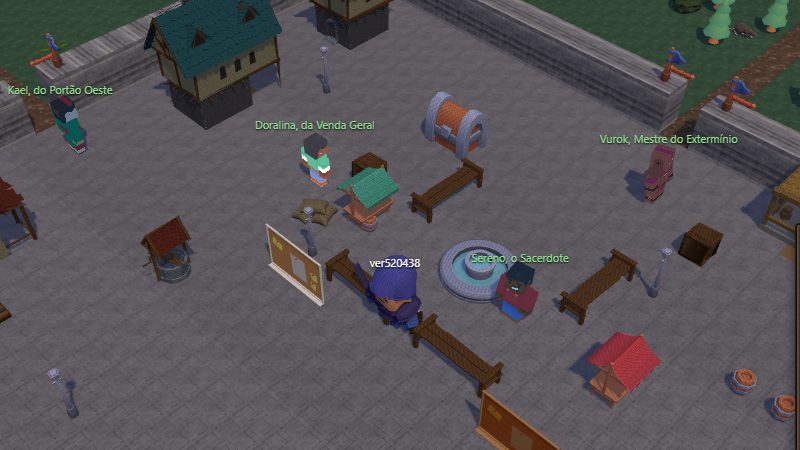
Inside Valoria, Sahr and Nhal nobody hits and nobody gets hit. Whoever wants a fight walks out through the gate.
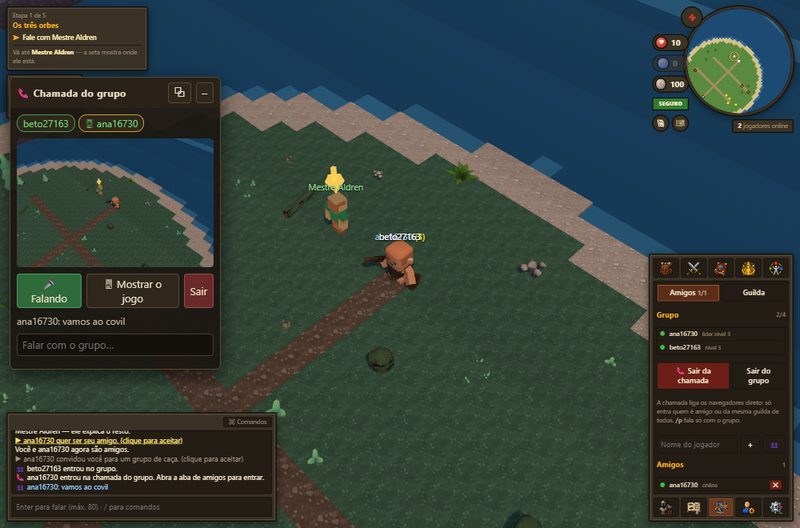
No separate app, no link to send around, no account anywhere else. Form a party, join the call and talk — the window opens right on top of the game.
Up to four people in the same call, with mute one click away and text chat alongside. Anyone without a microphone joins listening and typing.
One at a time streams what they are seeing. Only the game world goes out: not your backpack, not your chat, not any other window on your computer.
Pop the call out into a floating window that stays on top of everything and goes wherever you drag it. On Chrome and Edge.
The connection is direct between the players, without going through the server. That is why only an accepted friend or a guildmate of everyone in it can join.
A level 90 can call a level 3 to talk. The party has no level lock; sharing the XP of a kill does.
Combat level 50 to pass the gate. Void Ore is worth what it is worth because almost nobody makes it back with it.
Risk pays. Everything rare drops more often where you can lose it all.
Level 72, at the far end of the isles. One of the world bosses — and the only way to some items.
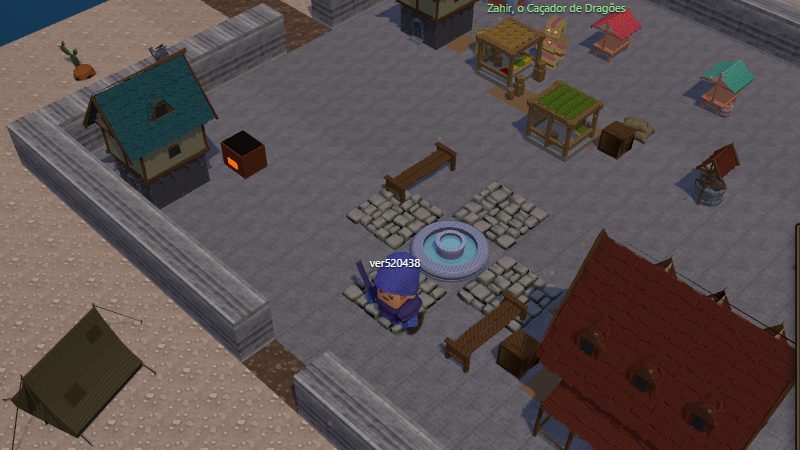
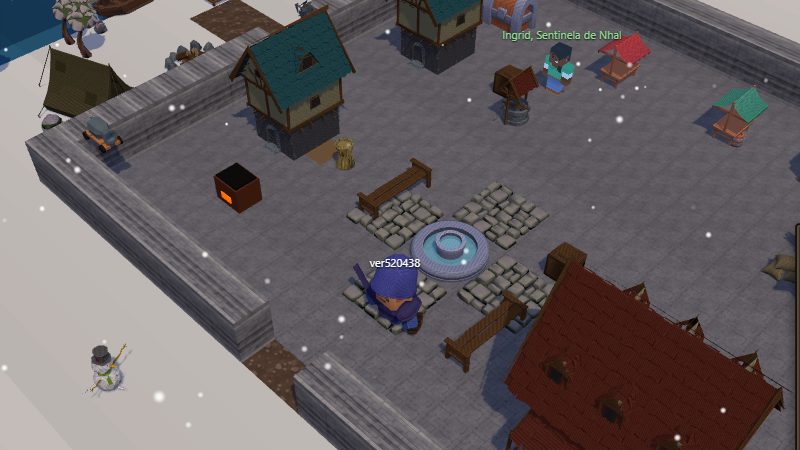
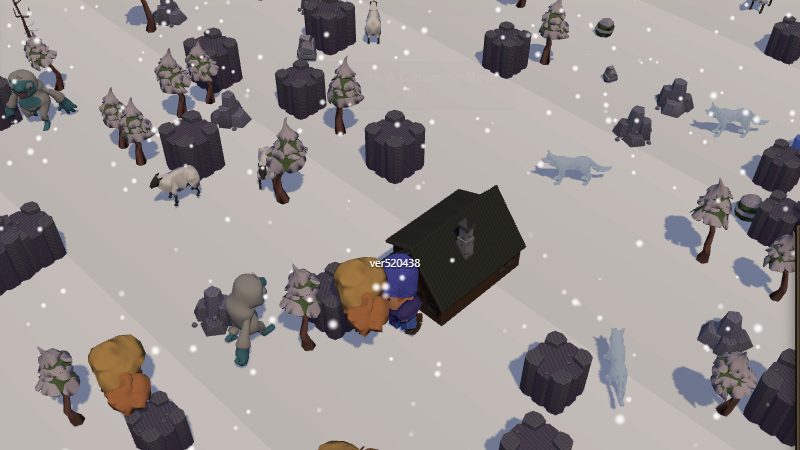
Two boats leave Valoria. One goes to Sahr, the city of the dunes; the other to Fort Nhal, in the middle of the snow. Below it all, the Plains — where there is no city at all.
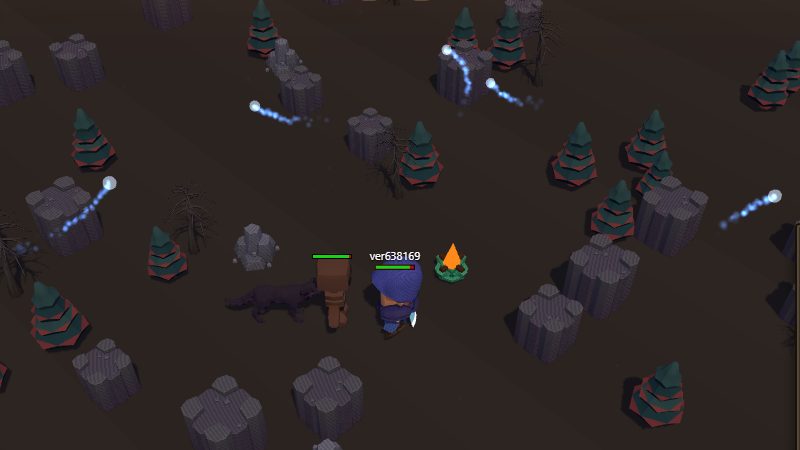
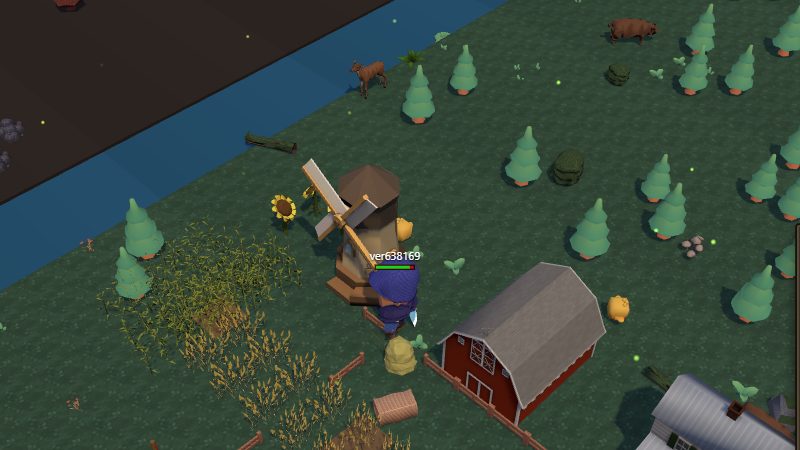
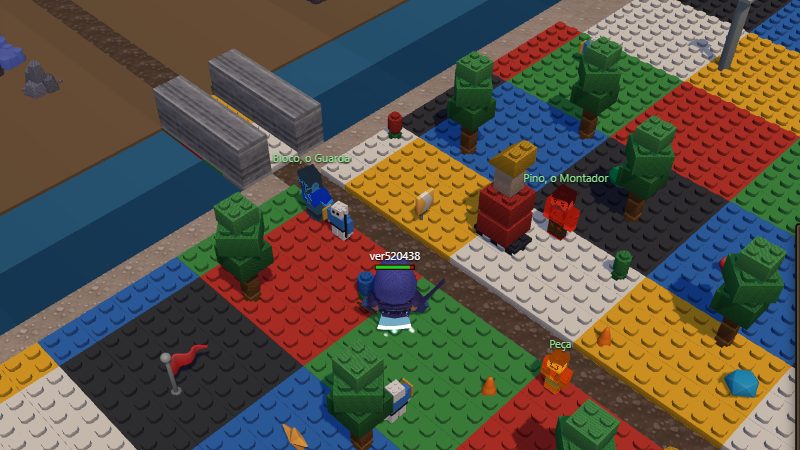
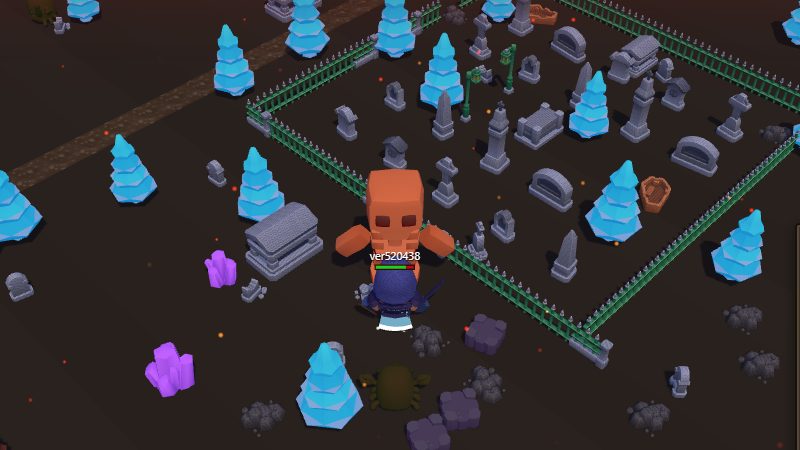
Before the Rupture, Aetherra prayed to seven gods. The people forgot the prayer and kept saying the names — to ask for directions. Eldor is a forest, Korvan a mine, Naru a coast, Sahr a city. The whole map is a prayer nobody knows they are praying.
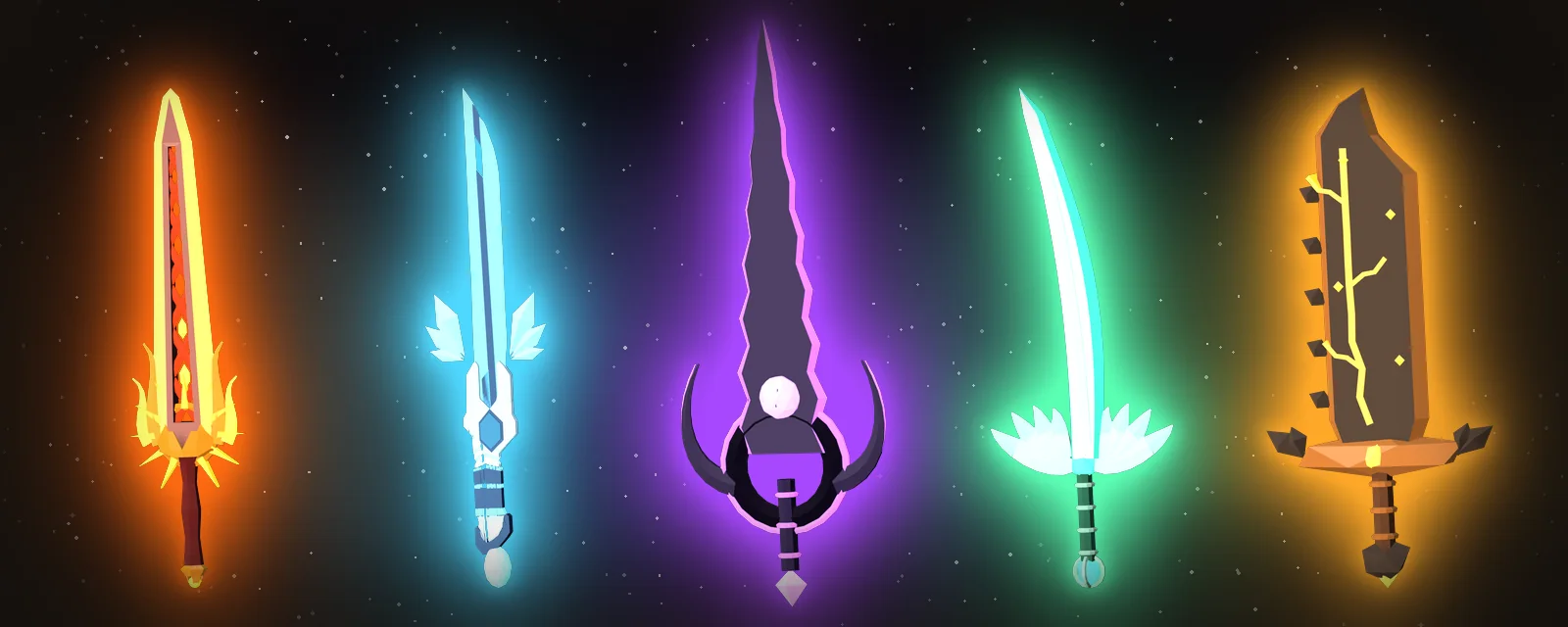
The first five are the gods of the elements, and each one lends its breath to three weapons. Nhal does not fight: she keeps the dead and a secret. Aether was the Heart — what is left of him is the Fountain of Valoria.
The Heart of Aether, which held the land together, was not a stone: it was the heart of Aether, the youngest of the seven. The Fountain of Valoria is what is left of it.
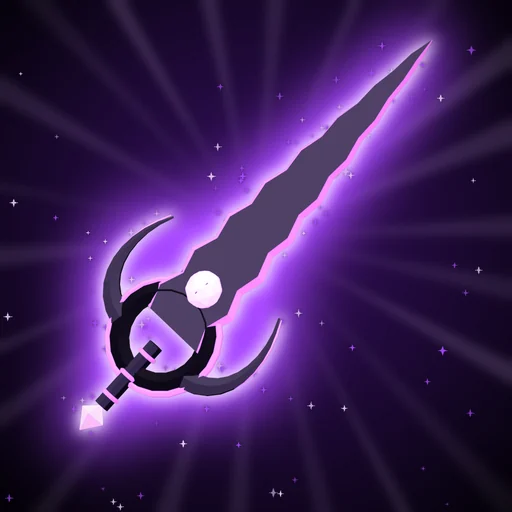
Morvhen was the oldest: the Void before there was ground. He wanted the Heart for himself, and the other six pushed him beyond the sky and scraped his name from every stone — because what is not called does not come back.
The Rupture was his first blow. The meteors that fall every day are pieces of the wall he is breaking. Now someone has said the name aloud — and he heard.
He walked the desert by day and slept on the altar at night. In the Rupture the temple went dark, and the fire beasts carried the first ember he ever lit across the sea.
The tide is her breathing. In the Rupture, Nhal, the moon, hid her sister under the ice so as not to lose her — and forgot to let go. The sea stopped breathing.
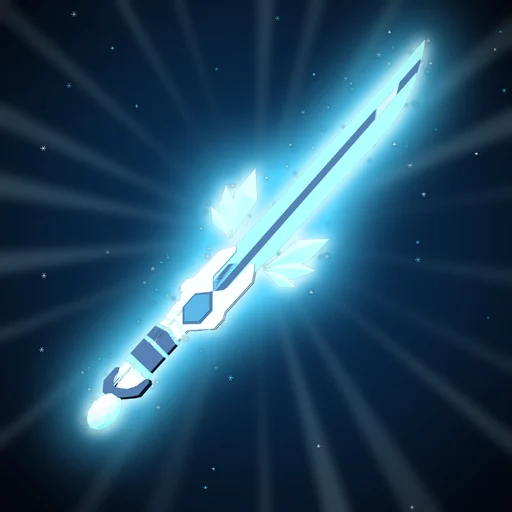
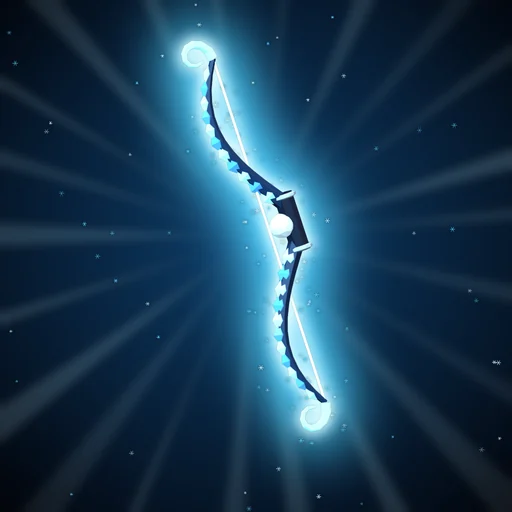
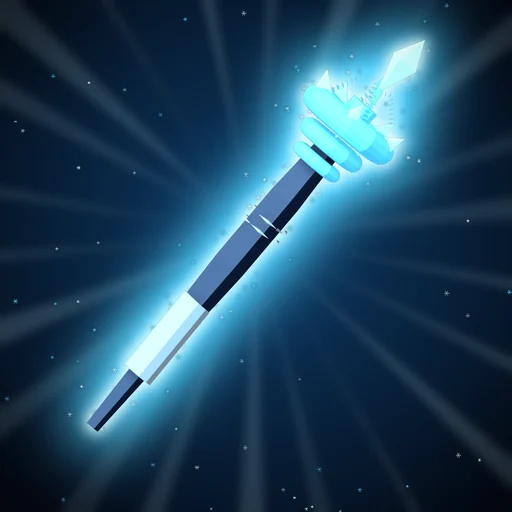
The seventh, and the oldest. The six pushed him beyond the sky and scraped his name from every stone. Now someone has said it aloud.
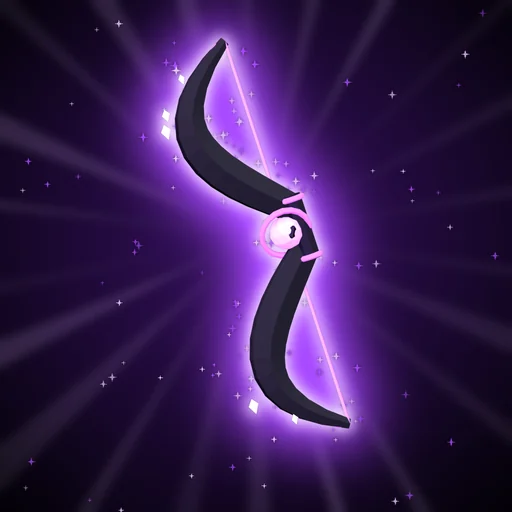
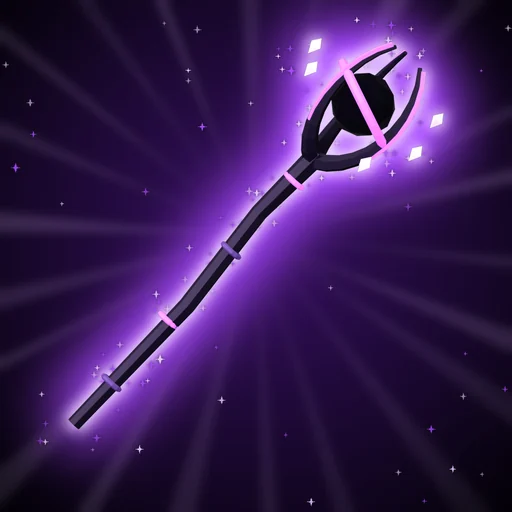
He grows things by blowing: the wind in the canopy is his breathing, and it is what turns the mill. The breath hid in a seed, and the mill stopped.
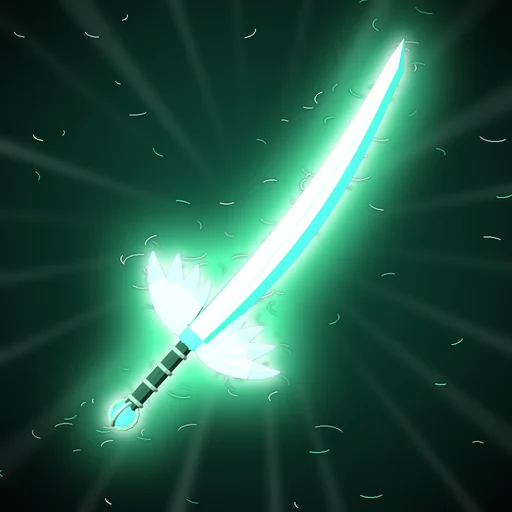
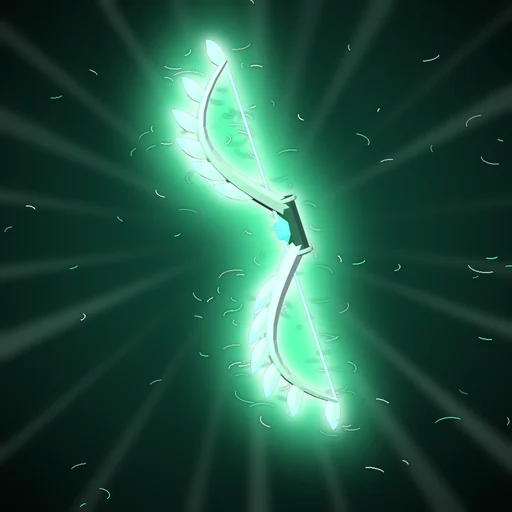
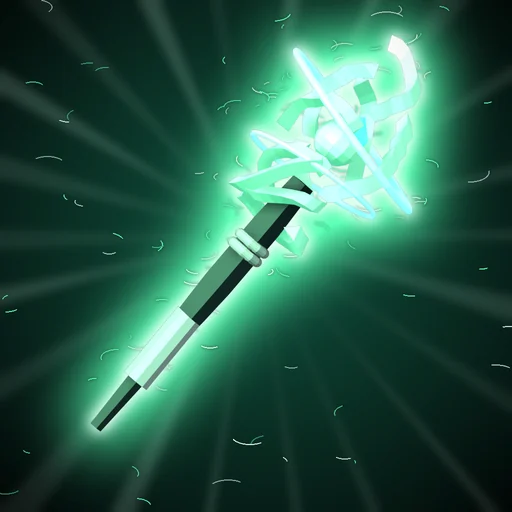
The mountain has a heart of living stone. In the Rupture it cracked, and the pieces walked off without a head: they are the Stone Golems.
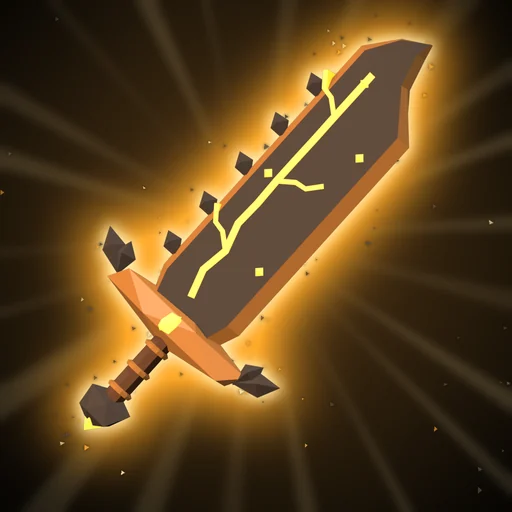
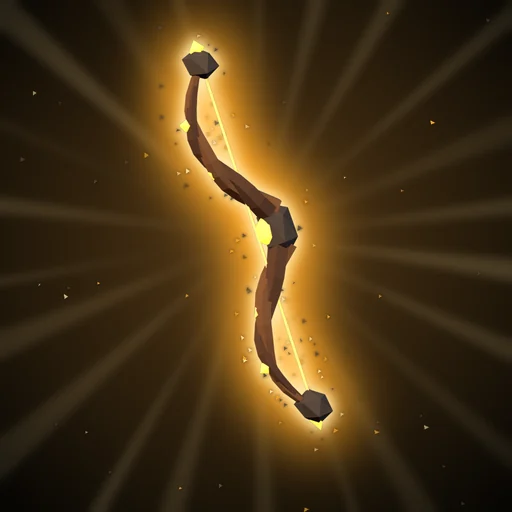
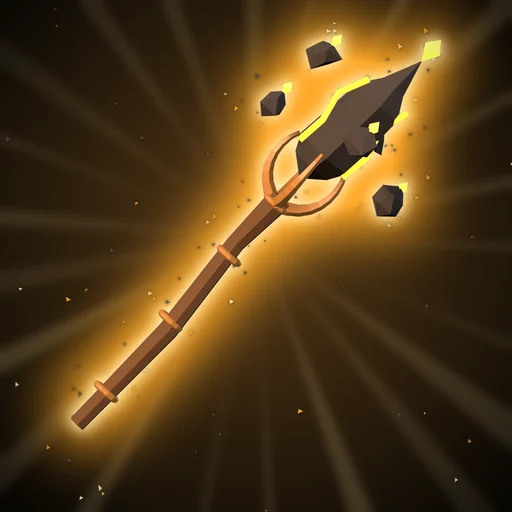
Five long quests tell the story of each god: campfire, fishing, smithing, hunting until the creature drops what it carries, puzzles, the spade and offerings.
Each saga ends in a breath of the god, held in a stone that never cools. After it, strong monsters of that element sometimes carry another.
At the Altar of Names, in Sahr: the Essence, the weapon it awakens and ten Stellar Fragments. You choose the two-handed sword, the bow or the staff.
Through the Portal of Names, five isles around the Temple of the Seven. On each one, the god's guardian golem wakes on every full hour, summons spawn and falls on the group with the fury of its own element. Those who finished the saga can take its Essence.
The special of the gods' weapons uses half the bar. And every normal hit can still leave the element on the target: Sahr burns, Naru freezes, Eldor cuts again, Korvan stuns, Morvhen drinks.
Every monster has an element that brings it down and one it shrugs off. Hitting the weakness is +25% damage and far more critical hits — and the game shouts "WEAK!".
Five stages with an arrow on screen, and a door that only opens at the end. You leave knowing how to chop, smelt, fight and bury.
Thirty-seven quests. The first ones introduce the world; the others are long stories in which each chapter only opens after the previous one — from the Brick Bridge to the ogre king, from the scorpion to the last dragon, and the five sagas of the gods.
Combat level 60 for the gate to open. The ogre king wakes on every full hour, summons spawn in three phases and takes no damage while any of them is alive. When he raises his fist the ground turns red: get off the mark. Loot is personal.
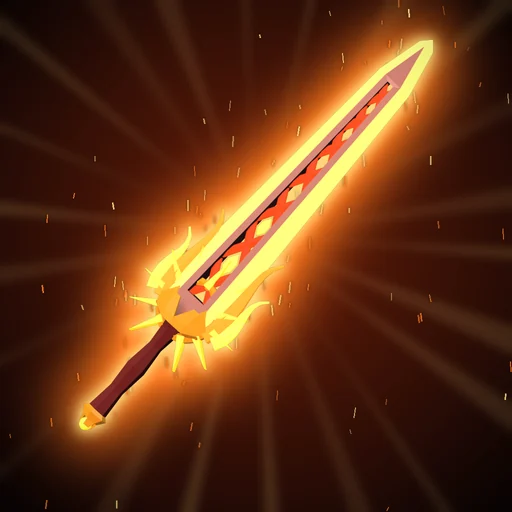
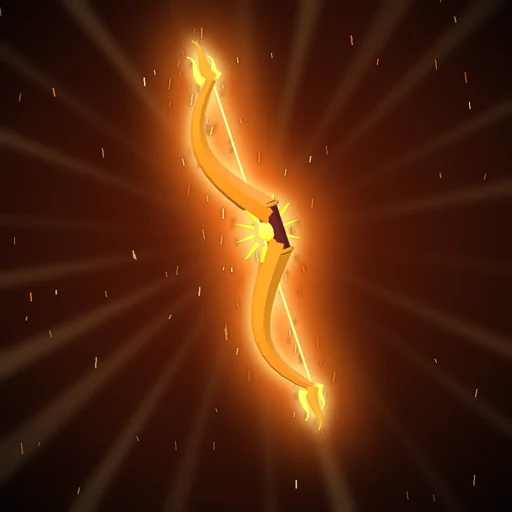
The Dark Bow fires two arrows at the same target; the Phoenix Bow rains fire over an area; Grumak's Bow shatters into whoever is standing close. And the hunting crossbows — one-handed, with a shield — hit up to 35% harder on dragons.
A blizzard on the Glaciers, ash falling over the Ashen Lands, souls circling the Dark Plains. Fire arrows leave a trail, poison bubbles on whoever was poisoned, and every land has its own background sound.
Sahr and Nhal lie across the sea. The character hops onto the boat, the boat leaves the pier, and the new coast appears on the other side.
Hunting tasks with loot that drops no other way, a points shop and a four-storey tower.
Pick the monster or the resource, the area, what to loot and at how much health to eat, and your character carries on alone. You get 2 hours of balance; once it runs out, it comes back full 6 hours later. It does not work inside the cities.
A 48-minute day, the same for everyone. Late in the afternoon the light turns golden; at night the street lamps come on and light the streets, and camp bonfires become meeting points.
Drag, stretch, minimize or hide the backpack, chat, map and bars, and make the panel backgrounds transparent. Then just lock it.
Auras, spells and ten slots of your own along the bottom. One key for each tab.
Portuguese, English and Spanish — the whole game, from the screens to the messages, and this site too.
Two drawers, chat and backpack, and the world across the whole screen.
A knight in a red cape, a barbarian wearing a bear head, a bone warrior with glowing eyes. The outfit covers your armour and goes everywhere with you — the mine, the forest, the pier and the fight.
Nothing on sale changes damage, defence, level or luck. Buyers get better looking, not stronger.
The weapon in hand is always the same type as the real one, and "Examine" shows the real gear under the outfit.
An outfit is a mark on the account, not an item in the backpack. Full loot takes what you carry — the outfit stays.
The Rogue, the Ranger and the Bone Minion are sold for gold, from 1 million coins and total level 200.
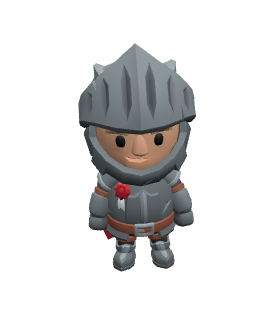
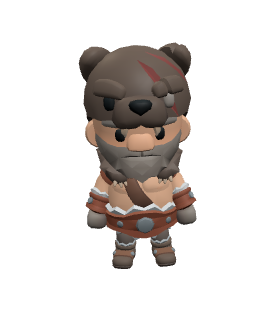
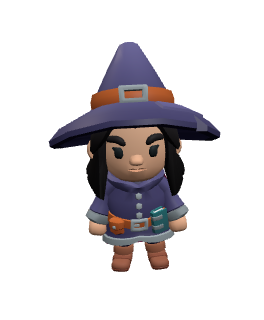
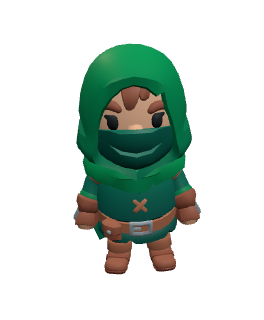
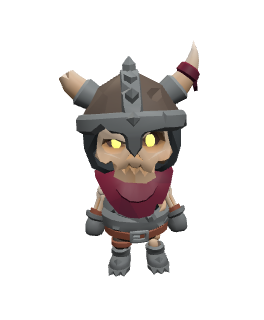
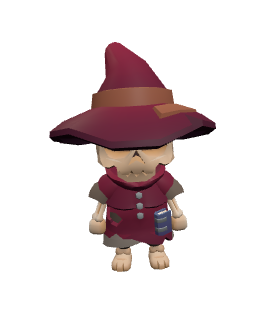
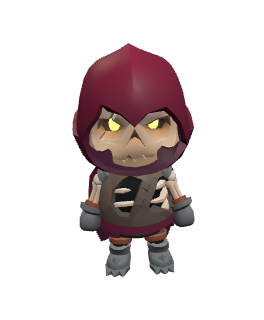
Plus fifteen weapon skins — katana, halberd, greatsword, shields — that change only the look of a weapon of the same type.
Sign in with your character to buy: the gems go straight to its account.
No character yet? Create one now, it is free.
Payment is processed by Stripe: TankPVP never sees or stores card data. Gems you have not spent yet can be refunded within 7 days. Terms of use and purchase · Privacy · [email protected]
Free, in the browser, right now.
Create a character